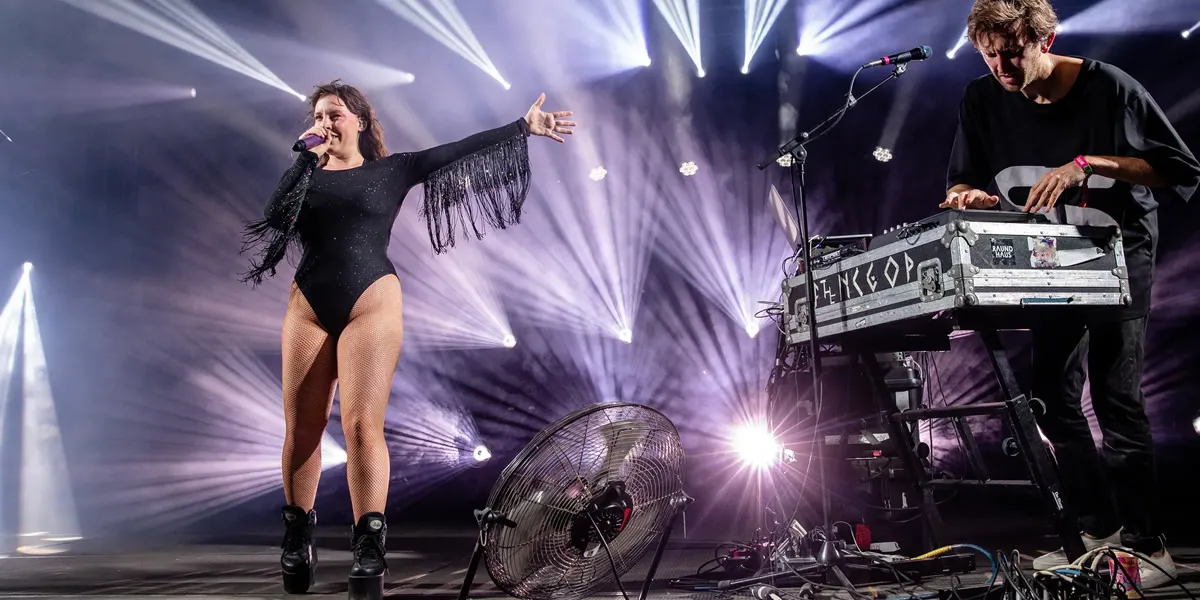
Sylvan Esso have returned their music to Spotify after a year-long boycott, reopening a discussion that reaches well beyond one electronic duo. The band had removed its catalogue in 2025 amid concerns about the platform’s connection to defence-technology investment. In a new public update, vocalist Amelia Meath said the group’s position had not changed, but that remaining away from Spotify had become financially difficult for the team around the project.
A Return Shaped by Practical Pressures
The decision shows how hard it can be for working musicians to separate principle from the day-to-day economics of a career. Sylvan Esso said the boycott had become unsustainable if the group wanted to continue employing the people involved in its work. That does not turn the return into an endorsement of every decision made by a streaming service; it highlights the limited room many artists have when a large share of listeners use the same platform.
Streaming is now tied to more than play counts. It affects discovery, touring visibility and the way new listeners find a catalogue. Our look at how Spotify’s algorithmic playlists drive music discovery explains why placement and recommendations can matter so much for an artist trying to reach people beyond an existing fan base.
Why Platform Dependence Is Still a Music Industry Issue
In explaining the return, Meath pointed to Spotify’s large role in the wider streaming market. That scale gives the service practical importance for artists, but it also keeps questions about royalties, platform governance and artist choice at the centre of the music business. A boycott can draw attention to those questions, yet it can also restrict access to the audience that helps sustain a release cycle.
The episode is a reminder that streaming decisions are rarely simple. Artists may use different services, sell directly to fans or build community through live shows and merchandise, but those routes do not always replace the reach of a dominant listening platform. The pressure is especially clear for acts whose income supports collaborators, crew members and independent teams.
Independent Artists Face Similar Trade-Offs
For emerging and independent musicians, the story underlines the importance of building more than one connection with an audience. Direct sales, newsletters, live dates and community platforms can reduce reliance on a single service, even if they cannot remove it entirely. That wider approach also fits with the ideas in The Indie Musician’s Toolkit: Building a Label-Less Career in 2026, where ownership, flexibility and audience relationships work together.
Sylvan Esso’s return does not settle the wider debate about streaming platforms. Instead, it makes the tension more visible: artists can hold firm views about the companies that distribute their work while still needing access to the listeners those companies gather. As the music economy continues to evolve, that balance will remain a central challenge for artists at every level.