We spend a lot of time on this blog breaking down the heavy emotional weight of classic rock epics like November Rain or unpacking the melancholic, bittersweet romance hidden inside alternative anthems like Yellow. Those are the kinds of songs that rip your heart out.
But let’s shift gears for a minute and talk about something completely different. Let’s talk about pure, unadulterated escapism.
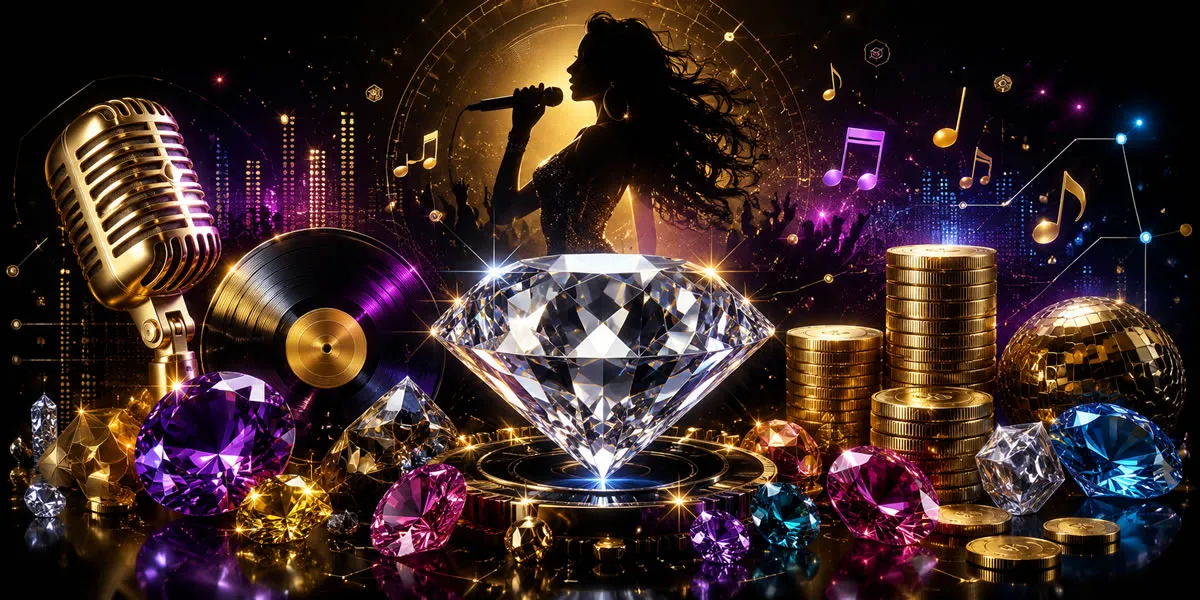
If you turn on the radio or open Spotify’s top hits today, you are going to hear about money. More specifically, you are going to hear a lot about shiny, incredibly expensive things. Pop music, R&B, and hip-hop are absolutely obsessed with diamonds, rubies, and striking it rich. But why do songwriters rely on this specific imagery over and over again? Why do we never get tired of singing about things most of us will never actually own?
The Ultimate Lyrical Flex
Indeed, humans tend to be quite predictable. We admire glittering things. As for the poetic love of material prosperity, it becomes the ultimate expression of one’s psychological strength—an instrument for displaying invulnerability to others.
When reading the lyrics of Ariana Grande’s 7 Rings, you get the impression of a masterpiece in which wealth is used as a shield for the artist's broken soul. “I see it, I like it, I want it, I got it.” What a great catchy phrase! We all hum this line in our cars, pretending there are six more zeros in our bank accounts. The point is not the jewelry itself; it is the feeling of invulnerability it provides us with.
There is also the mystical approach to the topic under discussion as it is presented in Rihanna’s legendary song Diamonds. In the context of this work, the gemstone is not just an expensive stone placed in a showcase. It becomes the symbol of life, hope, and human relationships.
The Psychology of the Sparkle
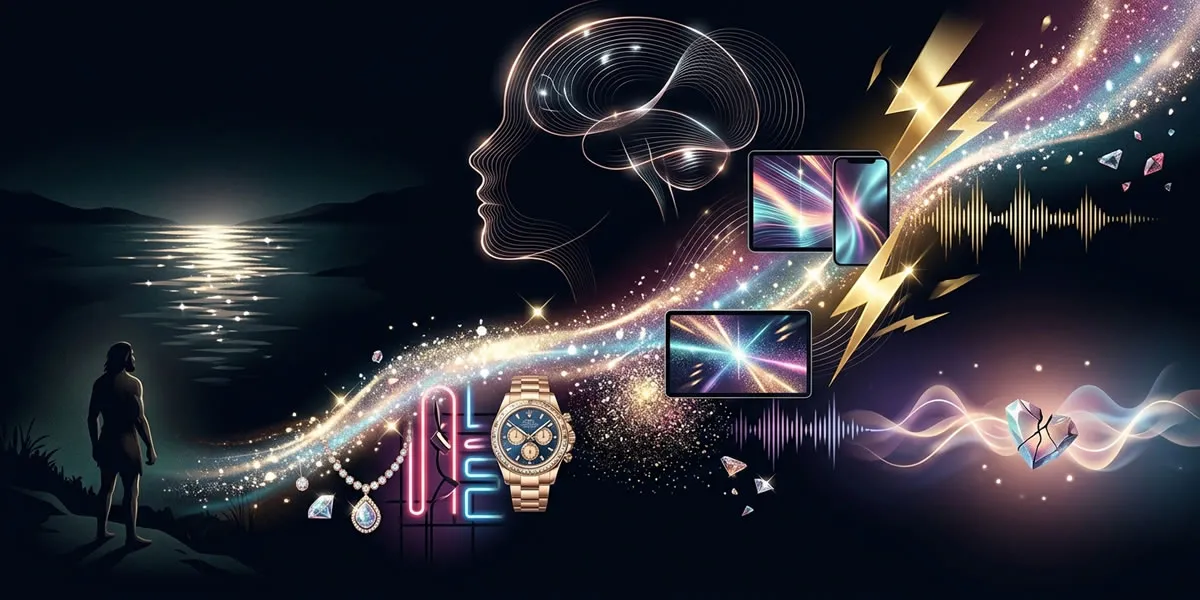
The psychology of this attraction is quite deeply ingrained in our biological makeup. Anthropologists have theorized that humans have evolved to be naturally attracted to shining objects, as, to our ancestors, shining surfaces indicated the presence of water far away. This basic survival mechanism manifests itself in our modern affinity for sparkling jewelry, neon lights, and glittering computer screens.
This obsession with sparkling visuals and the concept of “luck” extends way beyond the Billboard charts. It’s a fundamental building block of modern visual media and digital entertainment. You can easily spot this same aesthetic of shining jewels and lucky streaks if you casually play around with a demo Fortune Gems 3 to observe its bright, rewarding visual and audio design. The vibrant colors, the chiming sound effects, the promise of uncovering a hidden treasure—it all taps into the same psychological craving as a catchy pop chorus about iced-out watches. Whether we are listening to a record or interacting with a screen, we love the fantasy of striking gold.
When the Gem is a Metaphor for the Soul
But not every song about jewels is bragging about a lavish shopping spree. Sometimes, the stone represents something a lot more fragile.
You really can’t talk about gems in music without bringing up Pink Floyd’s legendary, sprawling masterpiece Shine On You Crazy Diamond. If you look closely at the lyrics, the word “diamond” has absolutely nothing to do with cash or luxury. It was a beautiful, heartbreaking tribute to their former bandmate, Syd Barrett, who had lost his grip on reality due to severe mental health struggles. They called him a diamond because he was brilliantly creative, multifaceted, and ultimately, prone to cracking under pressure.
It perfectly proves that a gemstone can symbolize cold, hard cash in one musical genre, and a shattered human soul in another.
Even when artists actively rebel against this culture, they still have to talk about the shiny things to make their point. Think about Lorde’s breakout hit Royals. She spent the entire track listing off the absurd luxury items we constantly hear about—Cristal, Maybachs, diamonds on your timepiece—to firmly state that she didn’t care about any of it. Yet, the song was still fundamentally about those items. The imagery is just that inescapable.
Final Thoughts
That is why songwriting is so beautiful. Depending on the person singing that day in front of the microphone, one particular word can convey a completely different meaning.
Whether it's a hardcore rap about taking control of an expensive designer clothing shop, or a rock song mourning the death of a gifted friend, the imagery of valuable gems always works. It offers a very visual and tangible image for the listener.
So, the next time you find yourself randomly humming some lyrics that describe emeralds, gold necklaces, or diamond rings, stop and really think about what you are reading. Is this just an exciting fantasy about becoming a millionaire, or is there a much more serious message behind it regarding self-worth? Of course, in most cases, it is both.