Some classroom materials get read. Others get highlighted, argued with, folded into backpacks, and brought back before exams. Lyrics can be that kind of material. In college and university, this work is because they’re quick to get into, but there’s a lot packed inside. Just a few lines can spark big conversations—identity, politics, memory, gender, class, grief, language, even media power. Students who shut down when faced with dense theory often open up when a seminar kicks off with a song. And once they start talking, the analysis can get surprisingly sharp.
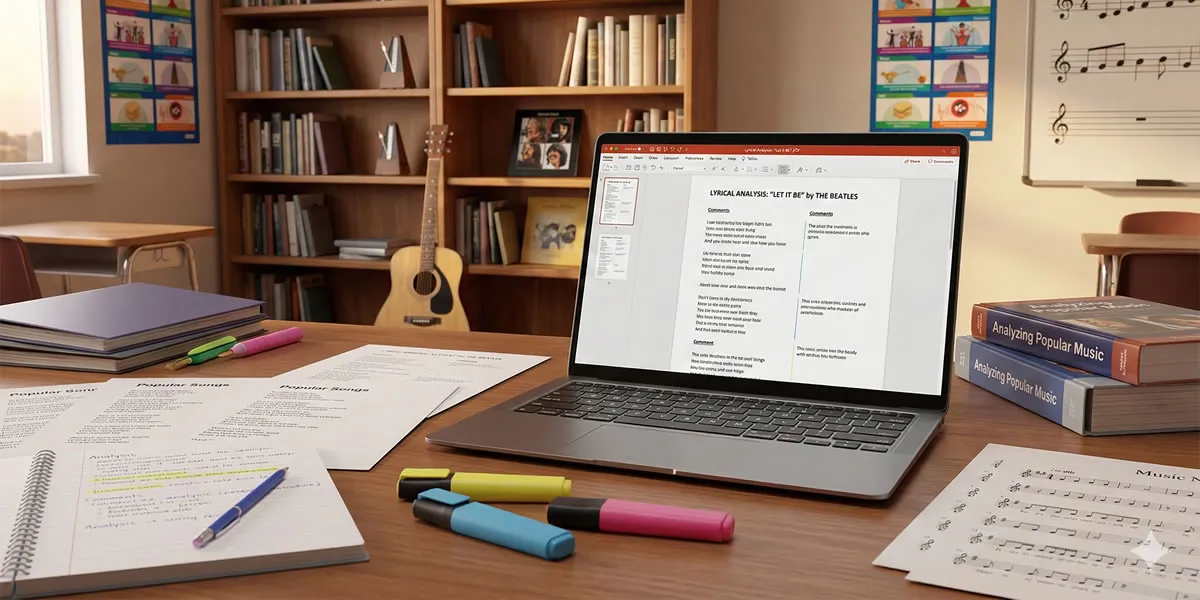
Of course, the academic magic only works if the handout itself is usable. If the text is messy, tiny, cropped, or scattered across screenshots, students spend half the session trying to read instead of thinking. That’s why formatting matters more than people admit, and why a simple tool flow—draft, clean, convert, organize—can save time. If you are building a printable or shareable lyric packet for class, pdflove.net is one practical way to turn mixed files into a neat PDF without overcomplicating the process.
Why Lyrics Belong in Higher Education (Yes, Really)
Some folks still act like lyrics are somehow lighter or less serious than poems or essays. That’s just wrong. Great lyrics pack in all sorts of things—metaphors, sudden changes in voice, irony, stories that jump around, and references you have to catch. They show you how people actually talk. You can hear what a generation worries about, what a community loves, and the way power sneaks into everyday conversation. That’s real, heavy stuff.
And students respond to it. You probably know this already. The room changes when the text feels alive. A familiar chorus can get students to engage before they realize they are doing close reading. Then you move them deeper: speaker vs. persona, repetition patterns, contradictions, code-switching, audience, and historical context. Suddenly, the “easy” text becomes the most demanding one in the stack. In a good way.
Song Choices That Can Carry Real Academic Weight
If you are choosing lyrics for coursework, don’t just pick what is famous. Pick what can hold analysis. Bob Dylan’s “Blowin’ in the Wind” is still useful because it looks plain at first glance, but those rhetorical questions do heavy lifting. It fits classes on protest literature, postwar culture, and persuasive language. Students can compare what is said directly and what is left unresolved. That gap? Great discussion space.
Kendrick Lamar’s “Alright” is another strong option, especially for sociology, media studies, African American studies, and rhetoric-focused classes. It opens conversations about collective voice, resilience, public language, and how repetition can become social speech. The lyric on the page is one thing; the cultural life around it is another. Pairing text analysis with reception/context makes this a rich assignment, not just a “talk about the song” exercise.
Beyoncé’s “Formation” gives students a lot to work with in identity studies, especially when you dig into performance and visual culture. There’s so much to unpack—regional imagery, power moves, how she presents herself, all those layers of cultural code. Switch gears to Taylor Swift’s “Anti-Hero”, and you get something different but just as rich: a raw, modern confessional vibe that fits right into discussions about self-narration, persona, irony, and how pop stars show vulnerability today. Both songs bring real, relevant material to class. They cross genres, draw in different listeners, and still offer the same educational value.
How to Build a Lyrics PDF That Students Will Actually Use
Start with the objective. This sounds obvious, but people skip it. Are you teaching metaphor? Protest discourse? Narrative voice? Gendered language? Once that goal is clear, the PDF becomes easier to build because you’re curating, not collecting everything you like.
Then format like an editor, not a fan page. Use one readable font. Keep spacing consistent. Put the song title, artist, and year clearly at the top. Add page numbers. If students print the packet (many still do), those details matter more than you think. And please leave room to write. Wide margins, extra spacing, clean line breaks. Annotation space is not a luxury in education; it is part of the assignment design.
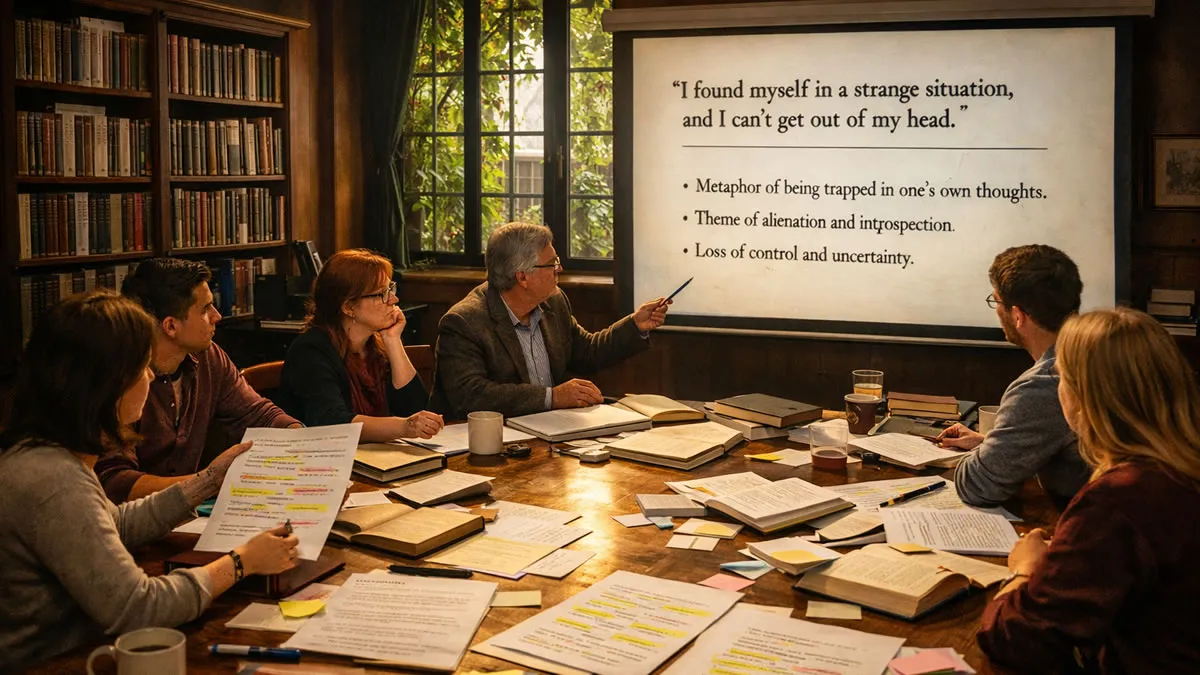
A small trick that works really well: add 2–3 prompts under each lyric. Short ones. Direct ones. For example:
- What changes between the first and final verse?
- Which repeated phrase gains a new meaning?
- What does the speaker assume the audience already knows?
Those prompts keep the class from drifting into pure opinion. Helpful, especially on sleepy afternoons.
Practical Tips for Professors, TAs, and Students Preparing Packets
Keep context notes brief. One or two lines on release year, genre, and cultural setting are usually enough. If you explain too much, students stop interpreting and start paraphrasing your notes back to you. Nobody wants that. Give them the frame, then let them work.
Also, separate lyric analysis from fandom energy. This is a real issue with highly popular artists. Students may jump straight into public narratives, interviews, or stan debates. Sometimes that context matters, yes. But the assignment usually needs textual evidence first. A simple note at the beginning of the packet helps: “Analyze the lyric as a text before moving to artist biography or public discourse.” It sounds strict, but it saves the discussion.
One more thing: don’t overbuild the packet. A focused 8–12 pages is often better than a giant file no one finishes. Better selections, better prompts, better classroom results. Tight beats bloated.
Conclusion
A strong lyrics PDF makes class sessions more engaging because it brings current knowledge and authentic human interaction to the classroom. Students receive a text that they can annotate, dispute, analyze, and study again. The instructors receive a tool that connects mainstream culture with academic scholarly research. And the conversation gets better—less forced, more curious, more alive.
That’s the goal, right? Not just handing out pages, but creating a document that invites thinking. When the formatting is clean and the song choices are smart, a three-minute track can carry a full academic conversation. Easy to underestimate. Hard to forget.