Bitcoin didn’t enter mainstream culture through finance textbooks or economic debates. It slipped in quietly. Sometimes through headlines, sometimes through controversy, and often through pop culture. Music, especially, played a strange but important role in that transition.
When global artists started mentioning crypto, accepting it, or even just talking about it out loud, Bitcoin stopped sounding abstract. Fans didn’t wake up one day knowing what Bitcoin was. Most people started poking around out of curiosity—scrolling, reading, asking friends—because they wanted to try it for themselves, not because they had a master plan. That “let me see what this is” energy helped push Bitcoin beyond its early bubble and into everyday conversation.
How Major Music Artists Interacted With Bitcoin During the Crypto Boom
DJ Khaled: Hype, Visibility, and a Costly Lesson
At the peak of the 2017 crypto boom, DJ Khaled’s involvement with Centra Tech put him right in the middle of Bitcoin’s most chaotic era. The project promised crypto debit cards that would make spending digital assets easy. On the surface, it sounded like the future. And for a while, people believed it.
At that time period, most individuals showed no interest in asking complex questions. The market operated at a rapid pace, generating loud news reports, while people judged the credibility of others based on their public presence. Projects connected to well-known names felt safer than they actually were, and Centra Tech benefited from that atmosphere. It wasn’t unusual then. Many similar startups operated in the same grey zone, promising convenience before the infrastructure was ready to support it.

The problem, as history showed, wasn’t Bitcoin itself. It was the company behind the promise. Centra Tech later faced fraud charges, and regulators shut it down. While there was never a confirmed personal Bitcoin investment disclosed, the promotional role led to legal consequences and financial penalties. For fans used to confidence, success, and tracks like “I’m so Hood,” the situation felt like a sharp contrast to the usual image.
Childish Gambino: Quiet Belief Over Loud Promotion
Childish Gambino never tried to sell Bitcoin. There were no campaigns, no flashy partnerships, no crypto-branded visuals. Instead, his connection came through ideas. Interviews. Conversations about systems and power.
What stood out was the lack of urgency. There was no call to action, which showed any need for people to purchase or invest, or take a particular direction. The comments emerged as people shared their general ideas about control and ownership and the people who determine long-term system development. It felt less like a recommendation and more like an observation.
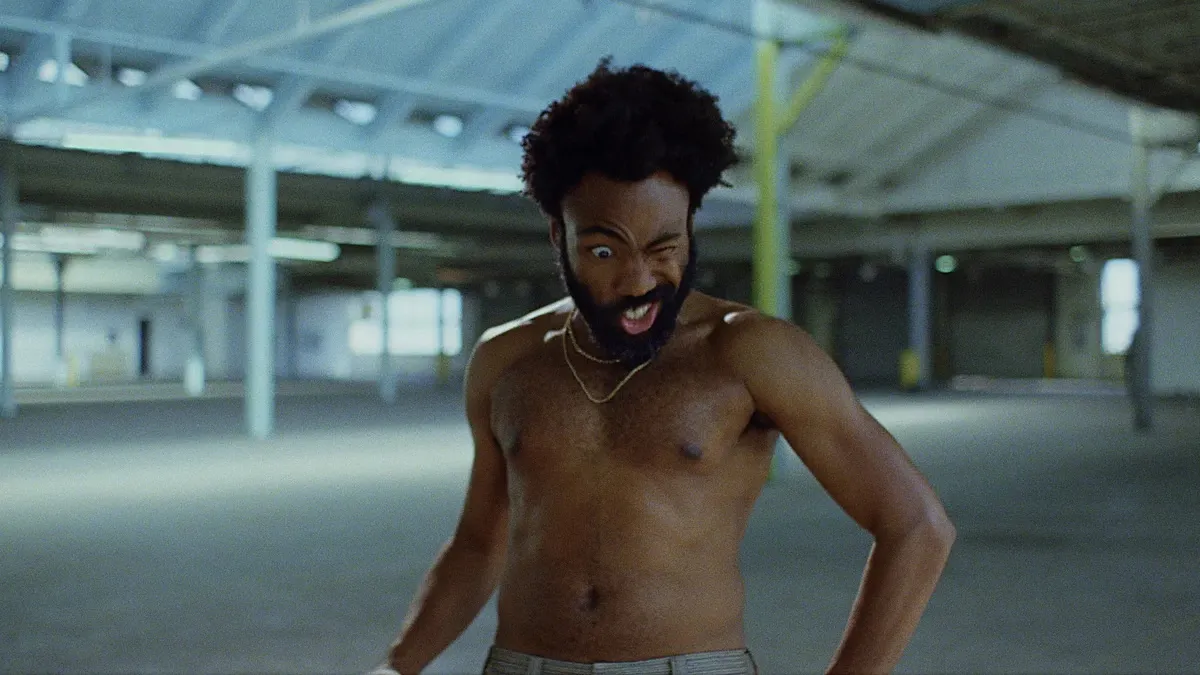
He spoke about decentralization as something worth watching long-term. Bitcoin, in that context, wasn’t a trend. It was a signal. No investment numbers were shared publicly, and that silence actually reinforced the message. The same mindset runs through “This Is America,” where commentary exists without clear instructions, forcing listeners to think rather than react.
Mariah Carey: Using Bitcoin Without Overexplaining It
Mariah Carey approached Bitcoin from a practical angle. In 2017, she accepted it as payment for selected merchandise and participated in crypto exchange promotions. No philosophy lectures. No bold predictions. Just usage.
What made the move noticeable was how little attention was drawn to it. There was no attempt to frame Bitcoin as revolutionary or risky. It simply appeared alongside other payment options, treated as functional rather than symbolic. For many fans, that was their first quiet exposure to crypto in a non-technical setting.

There was never public confirmation of personal Bitcoin holdings, but the message was still clear. If a global icon integrates crypto into her business, it signals confidence. Around the same time, “All I Want for Christmas Is You” continued breaking records, proving that mainstream success and Bitcoin acceptance could exist side by side.
Normalizing Crypto Through Familiar Choices
This mattered more than it looked. Fans weren’t thinking about blockchain mechanics. They were buying merch. Bitcoin became something you could use, not something you had to study first. That sense of normalcy lowered the barrier for everyday users and quietly helped adoption move forward.
Culture Shapes Adoption More Than Code
These three stories don’t point in the same direction. One highlights risk. Another focuses on belief. The last shows simple utility. But together, they explain how Bitcoin found space in popular culture.
Music didn’t teach people how Bitcoin works. It made people care enough to look. And sometimes, that first moment of curiosity is more powerful than any technical explanation.