
Plenty of people assume famous singers buy everything in cash. That sounds nice, but real-life finance is rarely that clean. Even at the top of the music industry, big investments often happen on credit—because credit can move faster than cash, and it can keep liquidity available for tours, teams, taxes, and, honestly, surprises. In other words, the “why borrow?” question isn’t about being broke. It’s about choosing leverage when the deal feels worth it.

And if you’ve ever managed a loan digitally, you already get the vibe. You log in, check balances, watch payments, and keep the whole thing organized—kind of like running any other investment dashboard.
Why High-Earning Artists Still Borrow Money
Debt gets a bad rap because people picture chaotic spending. But borrowing can be strategic when the asset has a plan behind it. A loan can help an investor buy something that (hopefully) produces cash flow, appreciates over time, or both. It can also separate personal cash from business risk. The big caveat is obvious: leverage amplifies results. If the investment performs, debt can make returns feel bigger. If it struggles, the repayment schedule doesn’t “care” about your intentions.
Another underrated reason is flexibility. A wealthy person may keep money invested elsewhere or avoid selling assets at a bad time by borrowing against a deal. That’s why you’ll see mortgages on luxury homes, commercial loans tied to business ventures, and structured financing for development projects. It’s not always glamorous, but it is common.
Chris Brown: A Franchise Loan That Turned Into a Legal Headline
The courtroom reports show that a bank loan was obtained by Chris Brown to buy two Popeyes franchise locations. Companies that operate franchise businesses can receive funding through their expected earnings, which serve to assess their ability to repay debts. The restaurant industry has a common practice that involves rapid business growth through increasing staff members and attempting to reach larger markets.

Still, when repayments get messy, things can escalate quickly. In this case, the loan and the repayment dispute became public through legal coverage. It’s a sharp reminder that franchise investing is not “passive income” by default. Costs spike, operations get complicated, and the debt clock keeps ticking. The song “Under the Influence,” which Chris Brown produced, has become his most popular track with listeners.
Jay-Z: A Manhattan Hotel Loan Dispute and the Cost of Delays
A very different scenario shows up in reporting: a lawsuit connected to a loan for a Manhattan hotel development project. And yes, this is the same Jay-Z most people instantly connect with “Empire State of Mind,” the ultimate NYC anthem. Development projects often rely on financing because the asset is not yet producing income. You’re paying for land, planning, construction, and timing—sometimes for years. The margins can be huge, but the stress is real, too.
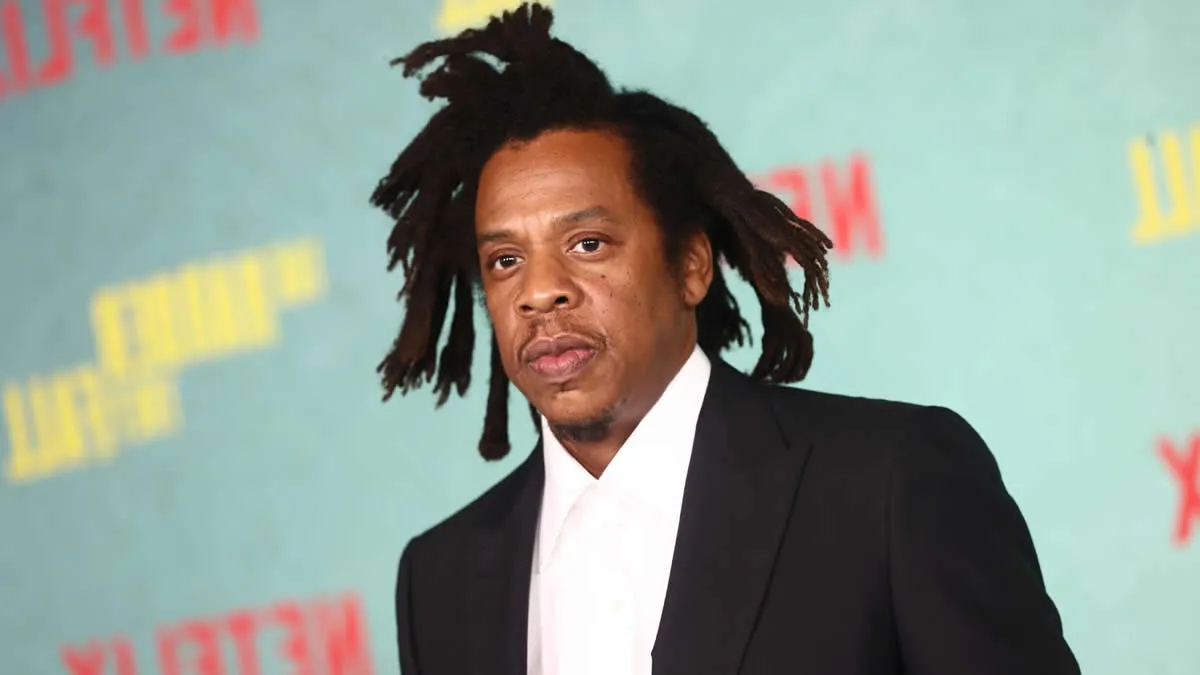
The dispute highlights a painful truth in real estate finance: delays can be as expensive as bad design. If a lender relationship breaks down, fees and interest can stack up in ways that feel… unfair, even when they’re legal. When a project depends on precise schedules, credit terms aren’t just paperwork. They’re the oxygen tank.
Beyoncé: The Luxury Mortgage Strategy People Love to Debate
The use of high-profile mortgages as evidence leads readers to think of debt that they need to repay without any purpose. A luxury mortgage serves as a strategic leverage tool, allowing users to maintain their financial resources available for other investment activities, business operations, and their extended financial objectives. Public reports have documented extensive mortgage debt linked to a high-value Bel-Air property, which functions as a component of an overall financial framework. If you’re thinking pop culture instead of paperwork, Beyoncé still gets introduced by a signature hit like “Crazy in Love.”

Of course, not every headline tells the full story. Media coverage may simplify what’s actually a mix of refinancing, property taxes, and portfolio management. Still, the core lesson is clear: even extremely wealthy households may borrow against real estate, not because they must, but because it can be efficient—when managed carefully.
The Practical Takeaway for Regular Investors
These examples point to one grounded idea: borrowing is a tool, not a personality flaw. Used well, loans can fund assets that grow, generate cash flow, or protect liquidity. Used carelessly, the same loans can become loud problems—legal ones, stressful ones, public ones. So if you’re thinking about leverage, focus less on the celebrity shine and more on the boring basics: repayment plan, downside scenarios, and whether the investment still works after fees, taxes, and a few annoying surprises. That’s the real game.