Merch used to mean a tour tee that shrinks after two washes and a poster that never gets framed. Not anymore. In today’s pop economy, merchandise is a whole language—limited drops, collectible vinyl variants, wearable inside jokes, even beauty and home items that make an “era” feel like a place you can live in. Streaming made listening easy, almost too easy, so artists and teams leaned into something physical. Something you can keep. The result is a marketplace where fandom isn’t just a playlist, it’s a closet, a shelf, a vanity, a little corner of your room that says, “This mattered to me.”
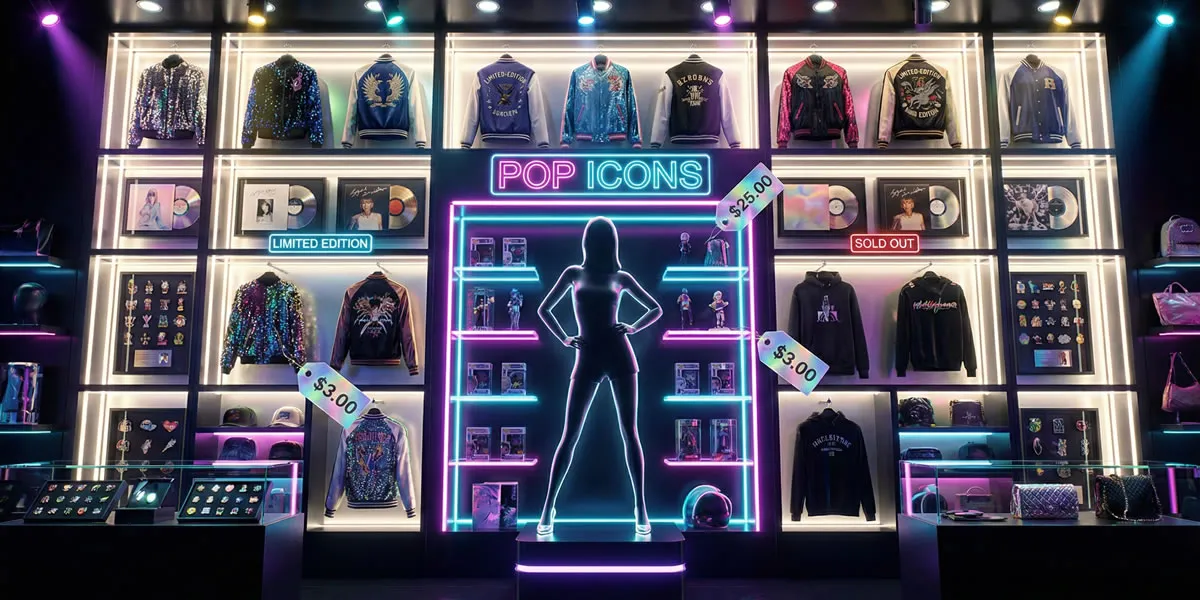
And the fun twist? Merch has quietly become mood lighting for culture. Fans don’t only want the chorus; they want the atmosphere around it—colors, symbols, textures, tiny references. That’s why modern drops stretch beyond hoodies into lifestyle pieces like a custom suncatcher that throws album-colored light across the wall, turning ordinary mornings into a soft, private encore. It sounds dramatic. It is dramatic. That’s the point.
Most Profitable American Musicians in Merchandise Sales
Taylor Swift Merch: The Era-by-Era Blueprint Fans Actually Follow
Taylor Swift doesn’t just sell products—she sells chapters. Her merch machine works because it mirrors the way fans already experience her career: as distinct eras with their own visuals, fonts, feelings, and even weather. On the practical side, the staples hit hard: tour hoodies, crewnecks, tote bags, hats, posters, and those “I was there” items that become instant keepsakes. But the real collectors go for the details—special-edition physical music, signed inserts, curated bundles, and limited pieces that vanish fast and then… well, the resale market does what it does.
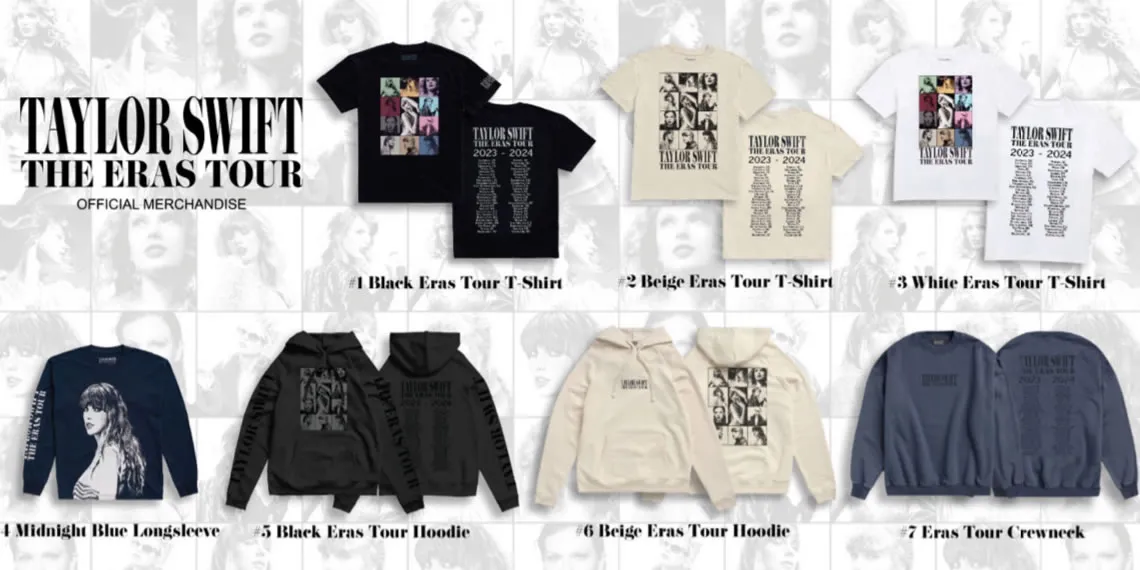
Song tie-ins aren’t subtle either, and that’s intentional. When “Anti-Hero” dominated conversation, you could feel the mood of the era bleeding into the merch vibe: sleek, slightly haunted, self-aware. And then there’s “cardigan,” which basically wrote the playbook for turning a single track into a wearable symbol. Not every artist can make fans treat clothing like a lyric you can put on. She can. And fans? They show up early, refresh pages, trade sizes, compare prints—like it’s a sport.
Beyoncé Merch: Premium Drops That Feel Like Fashion, Not Souvenirs
Beyoncé approaches merch through the design process of a luxury capsule collection. The tour-based styling shows high-end design because it includes streetwear pieces that function as more than just “concert attire.” Customers will find statement tees and black-on-black options, bold typography, and high-quality outerwear, as well as purposeful accessories. The packaging matters too. The entire exhibition space exhibits a curated design that creates a museum atmosphere. The product you purchase contains a specific cultural moment that has been packaged with its official label.
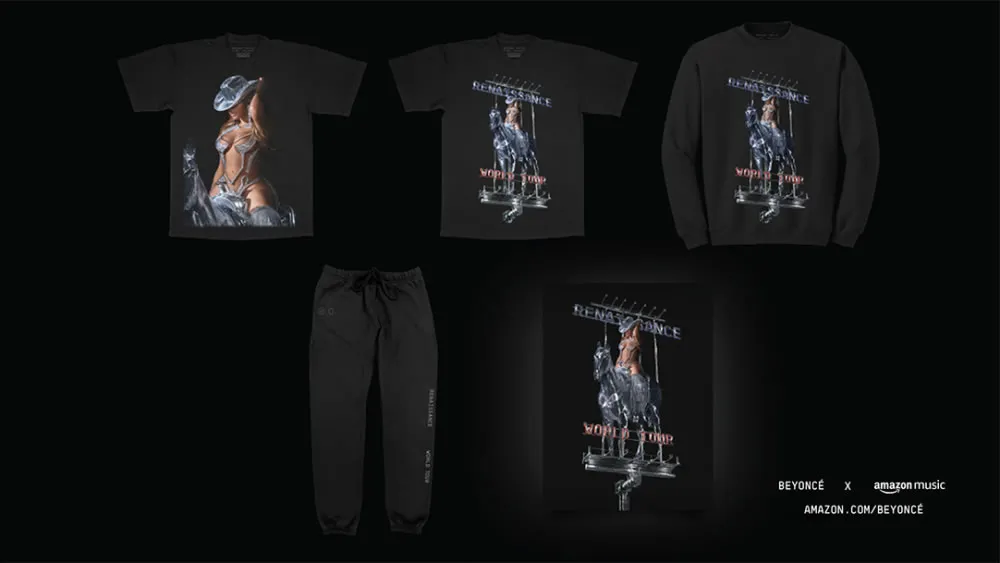
Her music makes the merch even stronger, because so many songs come with a built-in image. Say “Single Ladies,” and instantly, you picture the dance, the pose, the vibe. That kind of instant recognition shapes the designs. And when a new track with big dance energy lands—like “CUFF IT”—the merch picks up on that too: shiny, bold, a little bit club, a little bit high-fashion. Over the years, she’s stepped out of the usual tour merch lane, working on collabs and dropping athleisure that actually looks good offstage. Fans have learned to expect merch they’ll wear anywhere, not just at the show.
Ariana Grande Merch: When Pop Merchandise Becomes Beauty Culture
Ariana Grande’s merch universe is a perfect example of how modern fandom lives across categories. Yes, you’ll still see the classics—hoodies, tees, phone cases, posters, physical music, cute accessories. But the real engine is how easily her brand translates into beauty. Fragrance especially. That’s where pop identity becomes something you can literally wear. It’s merch that follows you to dinner, not just home from a show.
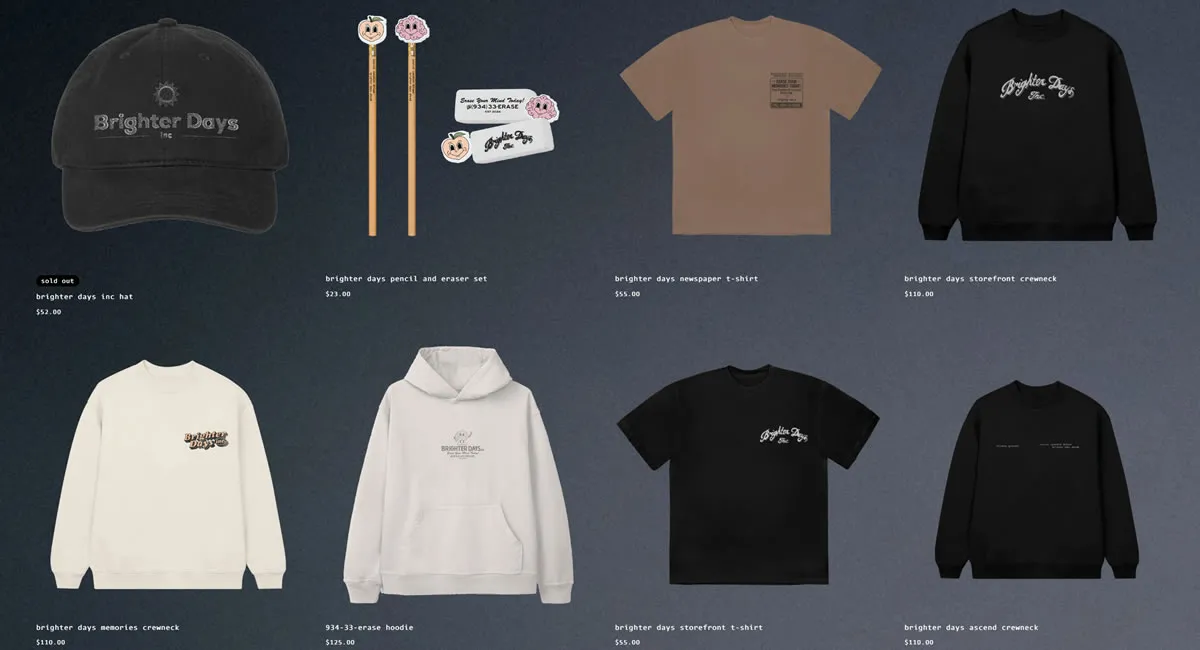
Her songs already carry that “signature stamp” quality, so it’s easy to connect product drops to the music. “thank u, next” isn’t only a track title; it’s a vibe fans adopt, print, gift, and re-use as a personal motto. Meanwhile, “7 rings” screams glossy, playful luxury—so it’s no surprise her merch ecosystem leans into glam aesthetics, soft colors, and polished packaging. Add in her cosmetics line, and you get an always-on pipeline: even between major releases, fans still have something new to try, collect, or display. It’s not merch as an afterthought. It’s merch as a parallel career.
Quick Mentions: Two More Merch Giants in Their Own Lane
Rihanna deserves a quick nod because her business footprint in beauty and fashion brand, Fenty Beauty, showed that artist-related products can achieve worldwide sales success. Travis Scott has established his merch identity by releasing streetwear-style products and forming important partnerships that function like sneaker culture, rather than standard concert merchandise.
Conclusion: Why Fans Buy What They Already Stream
Merch wins because it turns a digital habit into a physical memory. It’s also a sneaky kind of storytelling: a hoodie can mark a night out, a vinyl variant can become a shelf trophy, a fragrance can bottle an era you don’t want to let go of. And when the design is smart, the item doesn’t feel like advertising—it feels like belonging. That’s the difference. People don’t line up for “a product.” They line up for a piece of a moment, something that proves, quietly, that they were part of it.