The music business has a new luxury market, and it is not vinyl, merch, or VIP tickets. It’s catalogs. Songs. Rights. Decades of recordings and publishing income wrapped into assets that can be priced, negotiated, sold, and treated a lot like premium real estate. Sounds a little dry on paper, maybe. In practice, it’s one of the most interesting shifts in entertainment finance right now. A three-minute song can now be part of a deal conversation worth hundreds of millions, sometimes more than a billion.
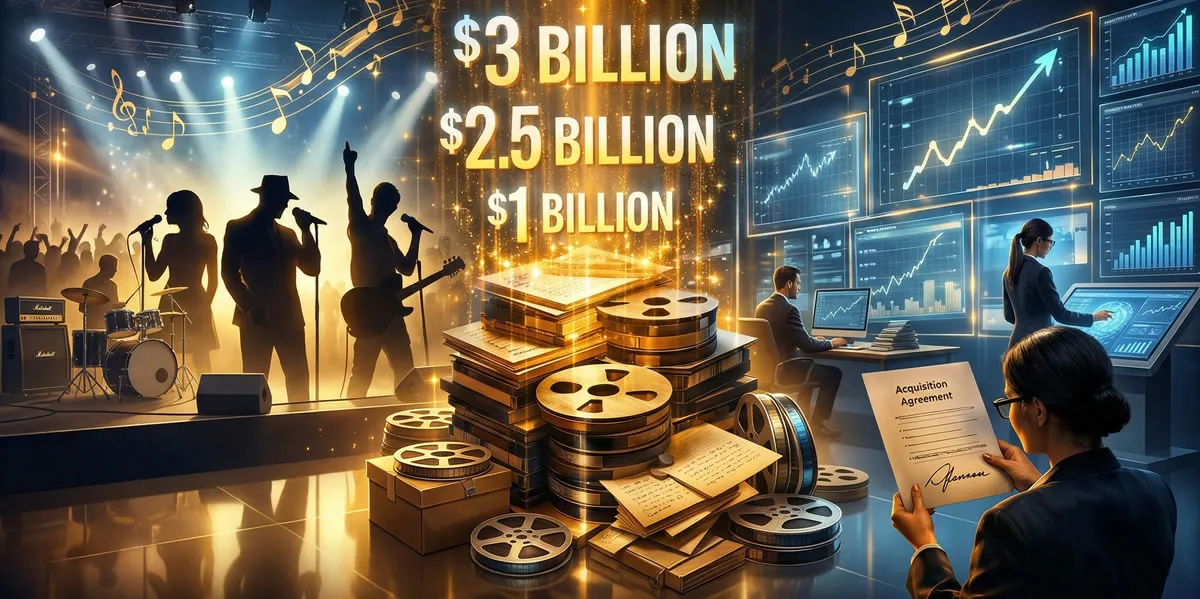
If you’re scratching your head about why people spend this kind of money, you’re not alone. It’s not just about nostalgia. They’re after steady cash flow—streaming royalties, publishing checks, licensing deals for movies and TV, ads, brand partnerships, and that slow burn of demand that lingers for decades. A hit from ’75? Still making money in 2026. Some classic choruses can pop up in a movie trailer, a football game, a viral TikTok, and the grocery store speakers—all in the same month. It’s wild, honestly. And it pays.
Queen: The Record-Setting Catalog Deal That Blew the Ceiling Off
If we’re talking sheer headline value, Queen sits at the top of the modern conversation. The reported deal value—around £1 billion (roughly $1.27 billion)—instantly reset expectations for what a legacy music catalog could be worth. It wasn’t just a big number. It was the kind of number that makes everyone in the business pause and say, “Okay, so this is the new reality now.”
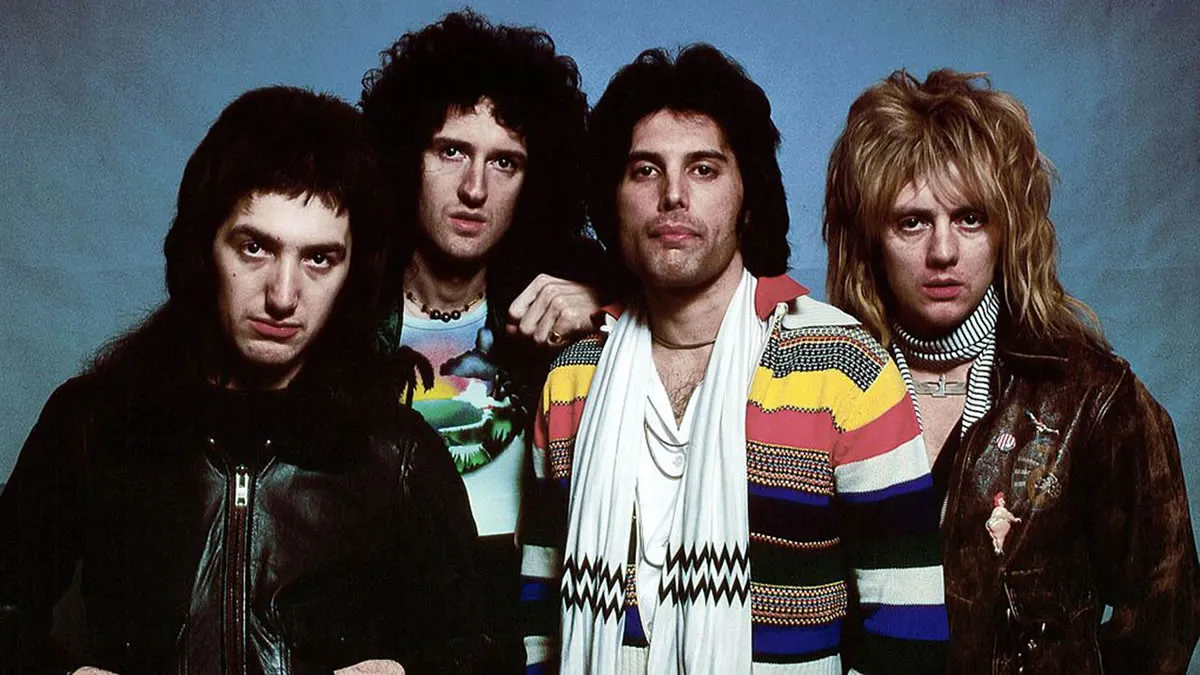
And honestly, the catalog makes the case by itself. “Bohemian Rhapsody,” “We Will Rock You,” and “Another One Bites the Dust” are not just famous songs; they are a permanent infrastructure in global pop culture. Stadiums use them. Brands use them. Films use them. New listeners keep discovering them anyway. That matters. The reported structure around Queen’s rights also reminded people that these deals can include multiple revenue layers, not just recordings and publishing in a simple bundle. The more ways a catalog earns, the more aggressive buyers can be.
Michael Jackson: A Partial Sale With a Giant Implied Price Tag
The Michael Jackson transaction is one of those deals that makes people do back-of-the-envelope math immediately. A reported sale of around $600 million for a 50% stake in the catalog package implies a total valuation north of $1.2 billion. That is a staggering number, even in a market accustomed to such numbers.
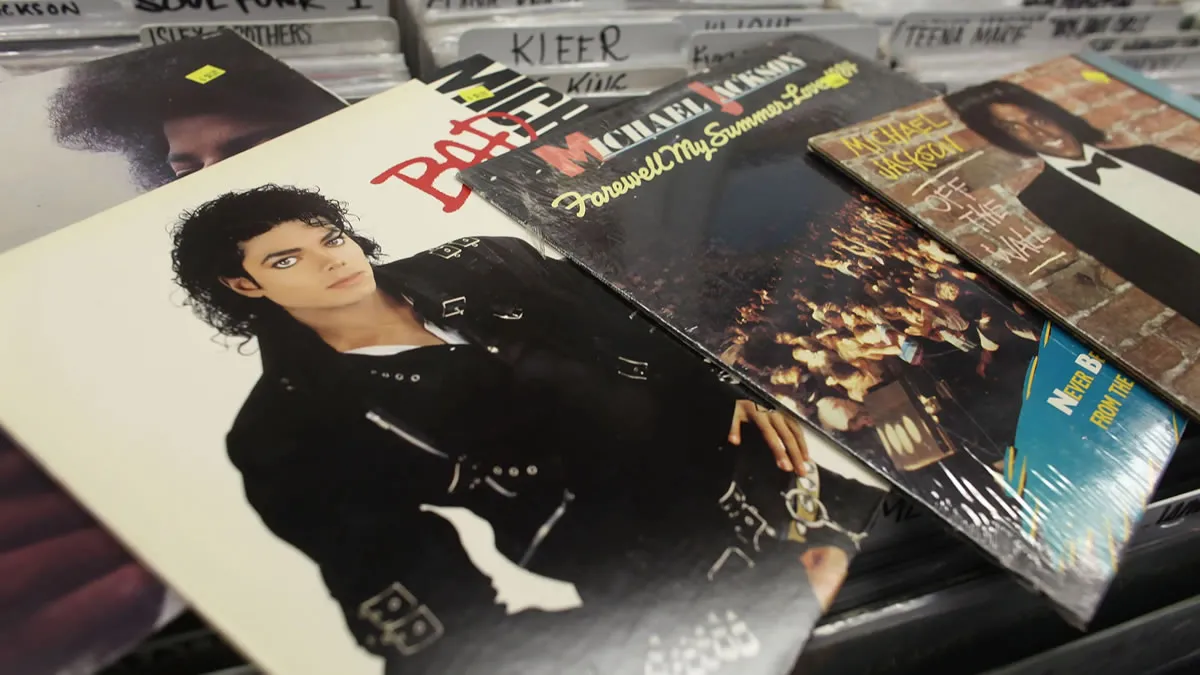
What makes this one especially important, though, is the structure. It was not a simple all-in sale where every related asset was tossed into one basket. The package reportedly covered a major stake in recording and publishing rights, including iconic songs like “Beat It” and “Bad,” while leaving out certain other properties tied to the broader estate ecosystem. That detail matters more than people think. Catalog valuation is not only about how famous the artist is—it’s about exactly which rights are included, which are excluded, and how those rights are expected to perform over time.
Bruce Springsteen: The Deal That Made the Catalog Boom Feel Real
Before billion-dollar catalog headlines became regular dinner-table trivia (well, industry dinner-table trivia), Bruce Springsteen’s sales helped turn the market from theory into something concrete. The reported price—about $500 million for his entire catalog, including both recordings and publishing—was one of the deals that made the wider world realize this wasn’t a niche finance story anymore. It was a major entertainment trend.
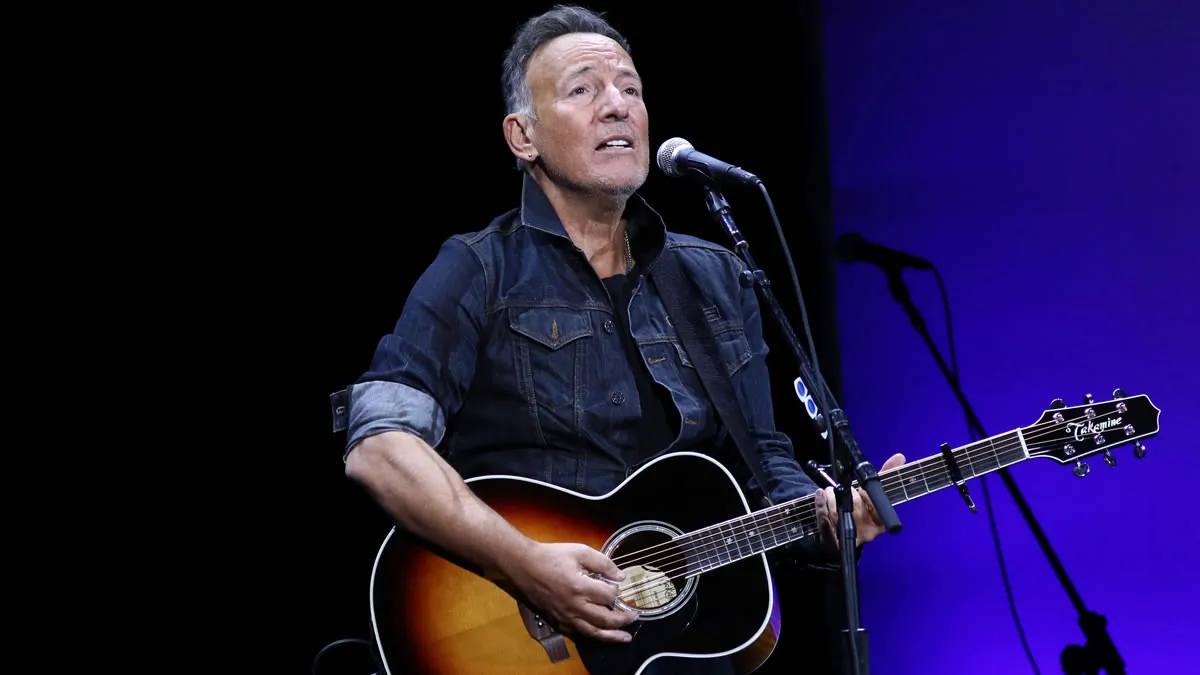
And the logic was straightforward in the best possible way: durability. “Born to Run,” “Dancing in the Dark,” “Thunder Road,” and “Born in the USA” are songs with long commercial life and broad licensing potential. They travel. Across decades, across countries, across formats. Buyers were not betting on a sudden resurgence or a temporary trend. They were buying proven cultural assets that had already demonstrated staying power, over and over again.
Music Catalog Valuation: Why the Numbers Get So Big
This is the part that sounds less glamorous, but it’s the engine behind the whole story. Catalog valuation is usually built on a mix of hard historical performance and future assumptions. Teams look at royalty history, publishing income, licensing activity, geographic spread, contract terms, rights duration, and the quality of the underlying copyrights. Then they model scenarios. Conservative, base case, upside. What happens if sync activity increases? What happens if streaming growth slows? What happens if a song suddenly reenters the culture through a film, series, or viral clip? That stuff changes the math.
And because the money is now so large, the process has become more specialized. This isn’t just “what feels famous?” anymore. It’s financial modeling, risk analysis, rights mapping, and strategy. The conversation requires the inclusion of companies such as OGScapital, as buyers and estate owners need valuation expertise to negotiate long-term wealth through their respective rights.
Conclusion
The biggest catalog sales are not simply stories about older stars cashing in. They’re stories about ownership, timing, leverage, and the strange durability of great songs. What looks like nostalgia from the outside is often a highly structured financial decision on the inside—one built on data, forecasting, and the belief that certain works will continue to generate value for decades.
And that’s really the key. The strongest assets in this market do more than remind people of the past. They keep working in the present. They keep finding new audiences. They keep earning. Not every song can do that. The few that can? They become more than hits. They become infrastructure.