The present-day banjo is the fusion of African, American, and European influences, and despite being a musical instrument that is played less, we can’t ignore the fact that the combined music industry of diverse countries owes a lot to the banjo. Let’s understand how it evolved throughout.
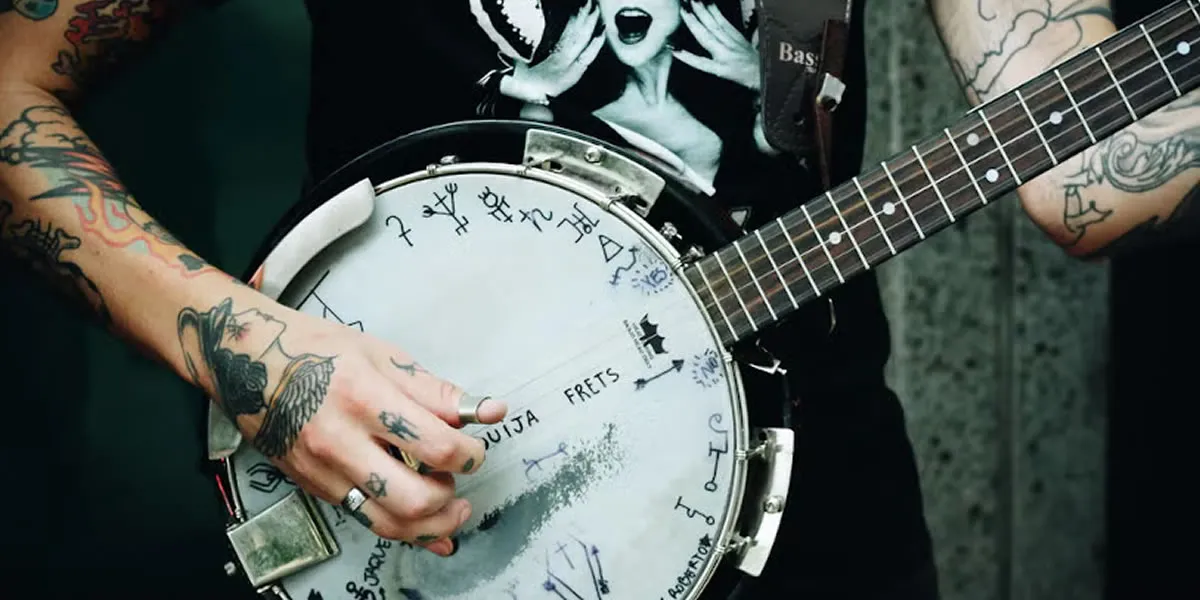
The Origin
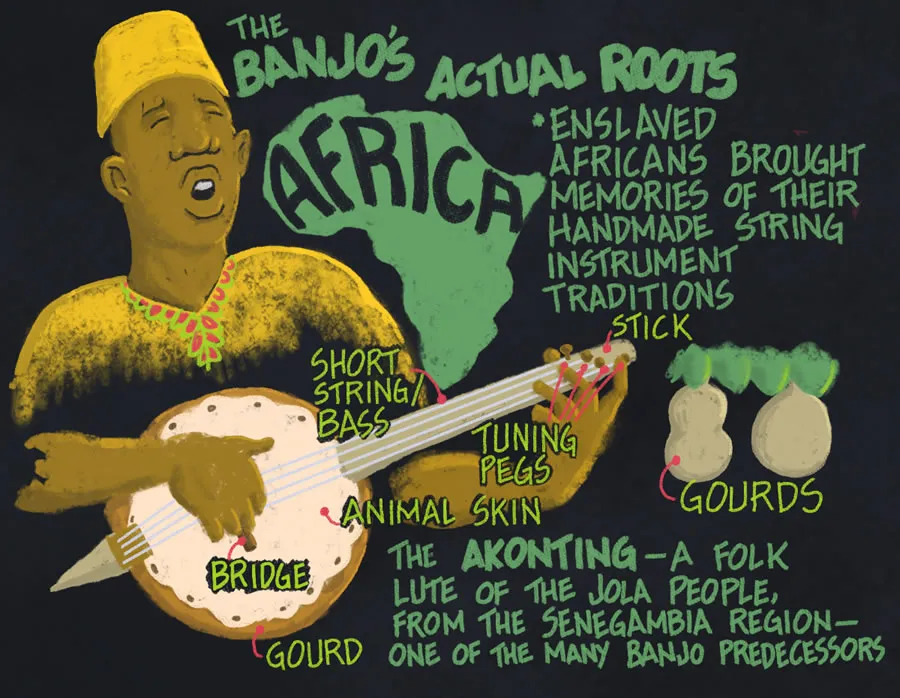
The modern-day banjos have a major resemblance to the stringed instruments that indigenous people of Central and Africa made, and the closest instrument to it was the akonting.
It was a 3 to 5 stringed musical instrument that was played by plucking and pressing the strings carved on the fretboard, made in the circular neck shape. However, the fret was not available in Africa so they played banjar which was crafted from gourds and covered with animal hides.
From Africa to America
The banjo was introduced in America through a slave trading practice some hundred years ago. These African-American slaves played an unpolished version of the banjo in the fields while working, but caught the eyes of many like Boucher, who was a builder, and he started to make banjos by improvising it and the standard model he made became the blueprint designs of future banjos, the minstrel banjo.
These minstrel banjos dominated the minstrel shows and theatrical performances. These shows are popular among both black and white people, and these banjos became a hybrid of African instruments with the European design. In these banjos, the fret was not included, and the neck resembles a bass viol with the number of banjo strings increased to 5.
The Golden Age
Banjo witnessed its prime popularity and major evolution in the golden age (1810 to 1860) as the 5-string banjo was popularized by Joel Walker Sweeney. He introduced the instrument to the white people after learning to play it from the Africans slaves. He replaced the original material gourd with the wooden resonator.
He toured around the United States and performed with a banjo in circuses and minstrel shows. In the 1840s, he went on a European tour and joined Virgina Minstrels, and merged American folk songs with Irish music with banjo.
Classic Banjo Era
In the classic era of banjo, it became more refined and adopted by the Northern elites. It became a regular instrument in white bourgeois parlors and even evolved further. It got more frets, and the playing techniques evolved from stroking to classical guitar playing.
The instrument was played alongside pianos and other instruments, and many renowned composers rose to fame, like Frak Lawes and Emile Grimshaw.
Modern Era
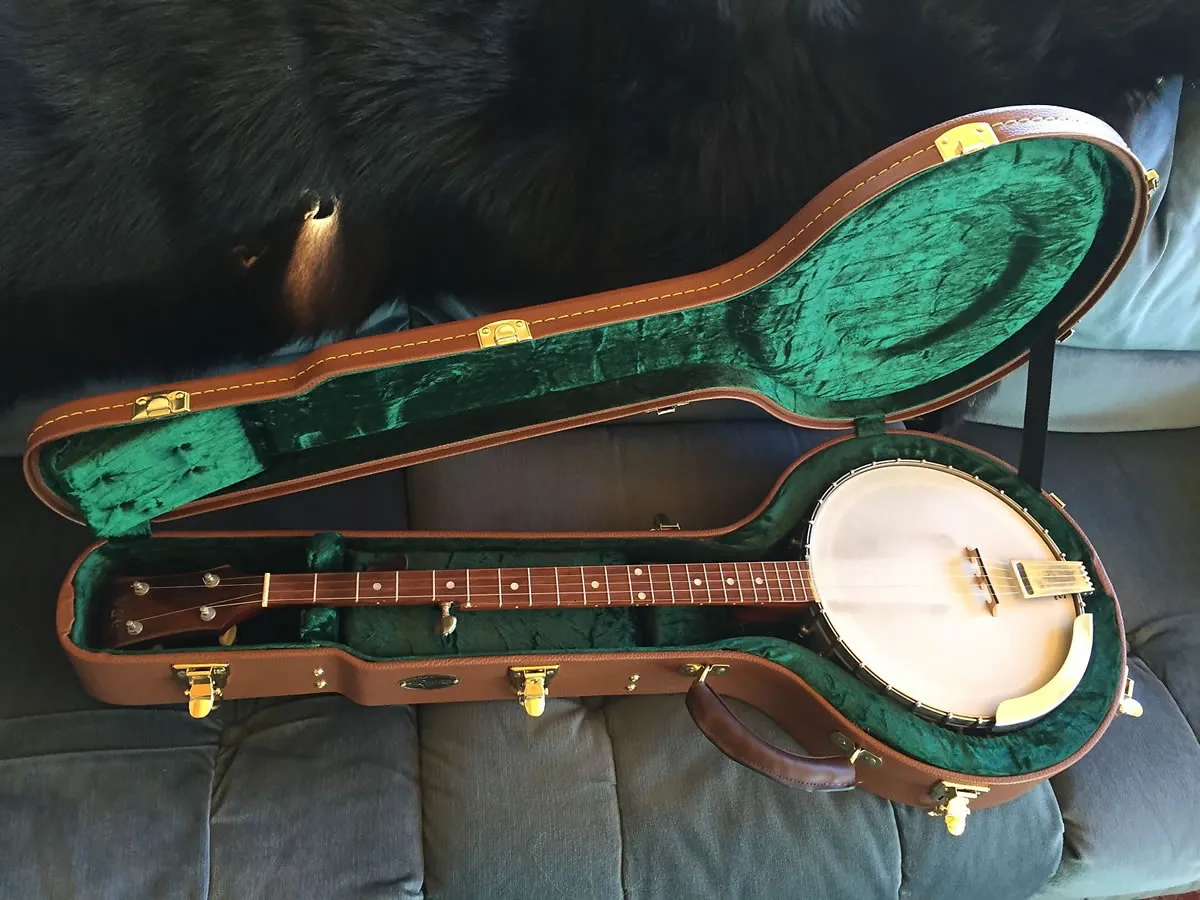
In the modern era, marking from 1920, the banjo reached new heights, and 4 strings banjo became more common in the musical industry, precisely among American jazz musicians.
It even started getting made using metal string, making a new sound, and new artists came with new ways to play banjo, with the most famous being Earl Scruggs, and he played three-finger style banjos.
However, in the modern era, banjos were replaced hugely by guitars, but their importance in traditional jazz music remains the same. The modern-day banjo has come a long way from Africa to America and Europe, and its history makes it more worthy when you want to take up this musical instrument.