Let’s be honest for a second. The traditional music industry playbook is getting ripped up right in front of us. If you’ve been tracking international artists and industry trends lately, you’ve probably noticed something wild happening on the charts. The newest pop stars pulling in millions of streams aren’t even human. We are talking about AI singers and fully virtual idols. It’s no longer just a weird novelty from a tech convention or a niche internet subculture. These digital avatars are building rabid fanbases, dropping viral hits, and completely flipping the script on what it takes to make it in music today. They even have dedicated lyrics sites tracking their every simulated word, and fans who treat them with the same reverence as real-life pop icons.
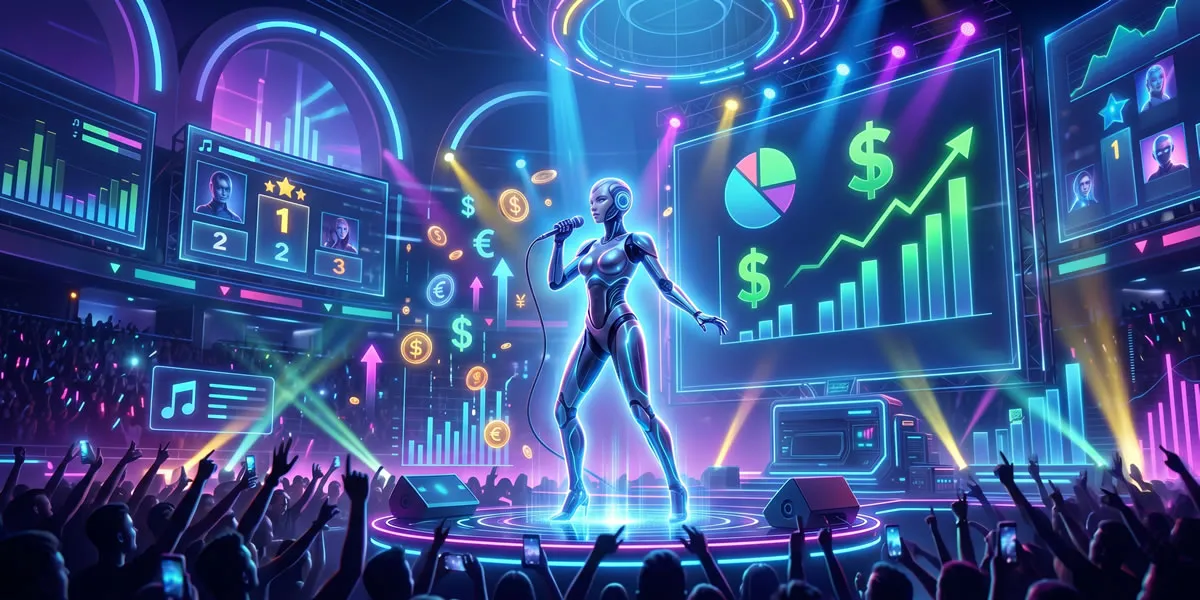
But if you look past the shiny CGI and the catchy hooks, there’s a massive financial engine running the entire show. Think about it from a purely business standpoint. A virtual pop star never gets sick, never asks for a bigger cut of the touring revenue, and can literally perform in three different time zones at the same time. The “smart money” flowing into digital entertainment platforms is impossible to ignore right now. Venture capitalists are throwing serious cash at this space. They see the writing on the wall: the next global superstar won’t be discovered in a dive bar, but compiled in a server room.
The Best AI Singers Leading the Scene
If you think the "AI singer" trend is still just robotic anime avatars or weird tech demos from five years ago, you haven't been paying attention. We are way past that. Today, completely synthetic voices are actively crashing the traditional Billboard rankings, and they are doing it across almost every genre.
Take a look at the country music scene, a genre that literally prides itself on raw, human authenticity. Recently, an entirely AI-generated act named Breaking Rust dropped a track called "Walk My Walk." It didn't just go viral on TikTok; it actually hit No. 1 on Billboard's Country Digital Song Sales chart and pushed into the Emerging Artists rankings. Let that sink in for a second. A digital entity with zero Nashville roots and no human singer sold enough downloads to beat out actual, touring country stars. It forced the entire industry into a massive panic about what "real" music even means anymore.
But the most insane success story has to be Xania Monet. She’s a completely digital R&B avatar created by Telisha Nikki Jones, who basically used AI tools like Suno to turn her own poetry into fully produced tracks. Monet’s emotional ballad, "How Was I Supposed to Know?", completely bypassed the usual internet gimmicks and crossed over to actual terrestrial radio. In November 2025, she made history as the first known AI artist to land on a Billboard radio chart, hitting No. 30 on Adult R&B Airplay. The wild part? This purely digital creation sparked a massive industry bidding war, reportedly landing a $3 million record deal. Real R&B stars were understandably furious, but labels are clearly showing they don't care if the vocal cords are real, as long as the track pulls heavy numbers.
And this definitely isn't just a two-hit wonder situation. The floodgates are wide open. Songwriter Terrance LeDoux launched an AI-assisted project called Unbound Music, and his track "You Got This" pushed him straight onto the Billboard Emerging Artists chart. We are seeing this same strategy working everywhere. You’ve got virtual projects from other creators like Cain Walker and Solomon Ray proving this is the new normal. These aren't just throwaway experiments anymore. They are highly calculated, data-driven hitmakers slipping seamlessly into your daily Spotify playlists—and half the time, listeners have absolutely no idea they are vibing to a server farm instead of a human.
Chart Performance: Breaking the Algorithm
So, can code actually rival real-life pop stars? Honestly, yeah. They aren’t exactly kicking the biggest A-listers off the top of the Billboard Hot 100 today, but look past the mainstream. If you check Spotify’s Viral 50 lists, synthetic tracks are sliding in there constantly.
The secret is just gaming the system. Streaming platforms reward anyone who never stops releasing music, and a digital avatar doesn’t need to sleep or take a mental health break. They don’t need a month in the studio to ‘find their sound.’ They can just pump out a polished track every single Tuesday. That insane volume rigs the algorithm entirely in their favor. It keeps them stuck in everyone’s auto-play queues, and half the time, listeners have absolutely no idea they’re jamming to a computer.
Decoding the Income: Spotify, YouTube, and TikTok
Let’s talk about the actual cash flow. Monetizing an AI singer requires hitting multiple platforms at once. It’s a cross-platform hustle that these entities are literally built for.
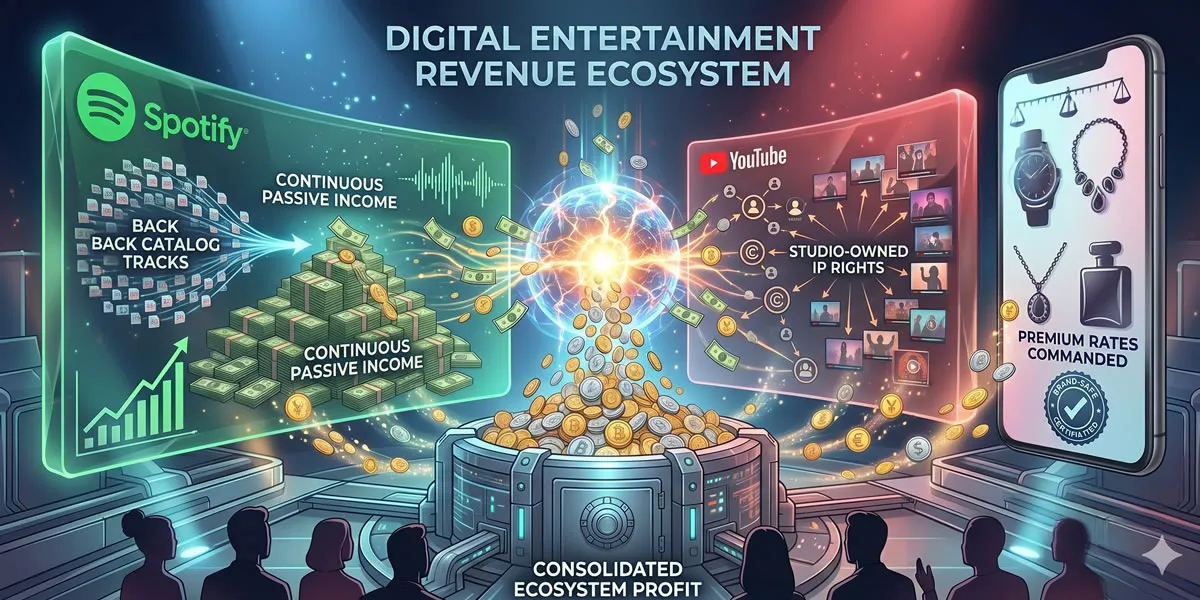
- Spotify and Streaming Payouts: We all know streaming payouts are notoriously tiny. You need millions of plays to see real money. But AI artists play a brutal volume game. They can churn out massive back catalogs in months, not years. Over time, those hundreds of tracks create a snowball effect. It becomes a massive stream of continuous passive income that never stops.
- The YouTube Goldmine: YouTube is an absolute powerhouse for digital IP. You get the standard ad revenue from the official, high-budget music videos, obviously. But the real financial hack is Content ID. The studios own the AI-generated audio rights. So, every time a fan makes a dance video, a lyric compilation, or a vlog using that sound, the original studio automatically claims a cut. They capture every micro-penny moving across the entire platform.
- TikTok and Brand Sponsorships: TikTok is where the real money is. Forget the basic creator funds—that’s just pocket change. The big bucks come from brand sponsorships. High-end fashion brands and tech companies love virtual influencers because they are 100% brand-safe. A digital avatar will never go off-script, miss a flight, or get canceled online. They are the perfect, risk-free billboard, commanding premium rates for sponsored posts.
The Financial Bottom Line: Why Labels Want Code
Why is the music business shifting so hard toward the synthetic? It all comes down to overhead and risk management. Launching and maintaining a human artist is a massive, stressful financial gamble. You have global touring logistics, styling teams, security details, managers, publicists, and producers all demanding a slice of the pie.
An AI singer is a heavily optimized profit center. The tech company or creator owns the intellectual property outright. The profit margins are unbelievable because the talent doesn’t need a tour bus, a luxury hotel room, or a mental health break. This infinite scalability is exactly why Wall Street and tech investors see AI music as the ultimate evolution of the industry’s business model. You build the asset once, and it generates revenue across infinite digital touchpoints forever.
The New Pop Economy
The bottom line? The collision of AI technology and pop music is rewriting the financial playbook of the entertainment industry right before our eyes. As these virtual stars capture more market share across streaming and social platforms, the traditional revenue models are shifting permanently. Backed by heavy investment and relentless technological upgrades, AI singers aren’t just a fleeting trend or a temporary gimmick. They are highly efficient revenue generators. The future of the charts is digital, and it is incredibly profitable.