There was a time when radio stations had enormous influence over what became popular. If a song got heavy radio play, chances were high that millions of people across the country would hear it repeatedly. MTV also played a massive role in shaping public taste. People often discovered artists through television, CDs, magazines, or recommendations from friends. Today, that system barely exists in the same form.
Streaming completely changed how people listen to music. Instead of buying albums or waiting for songs to come on the radio, listeners now have instant access to almost every genre and artist imaginable. Platforms recommend songs automatically based on listening habits, which means people constantly discover music outside their usual preferences.
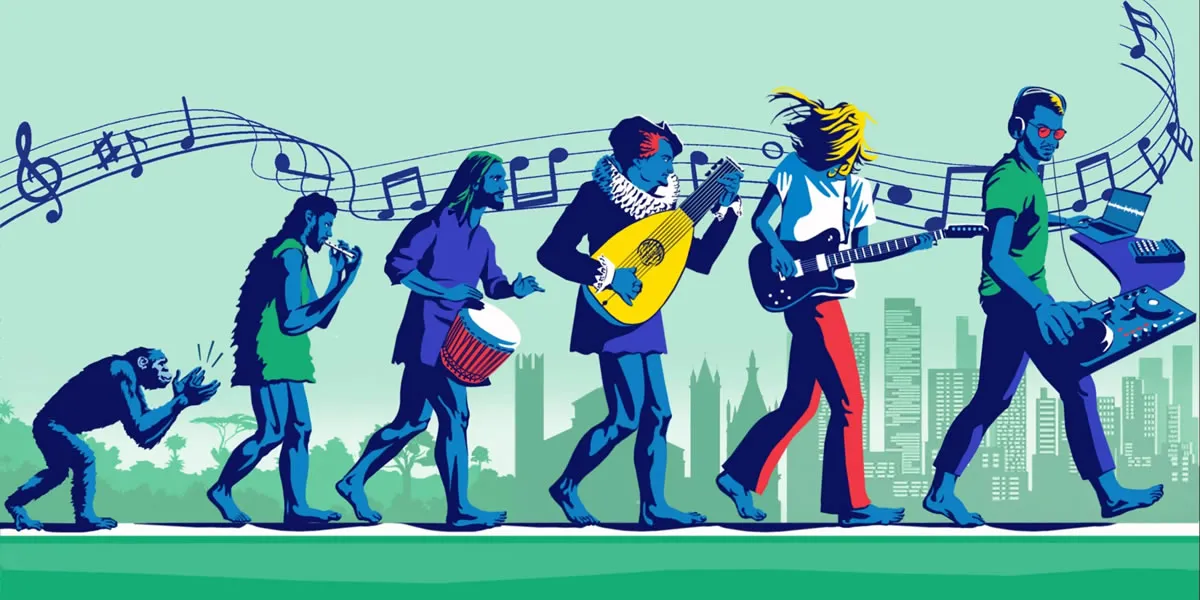
Genre Boundaries Are Not as Important Anymore
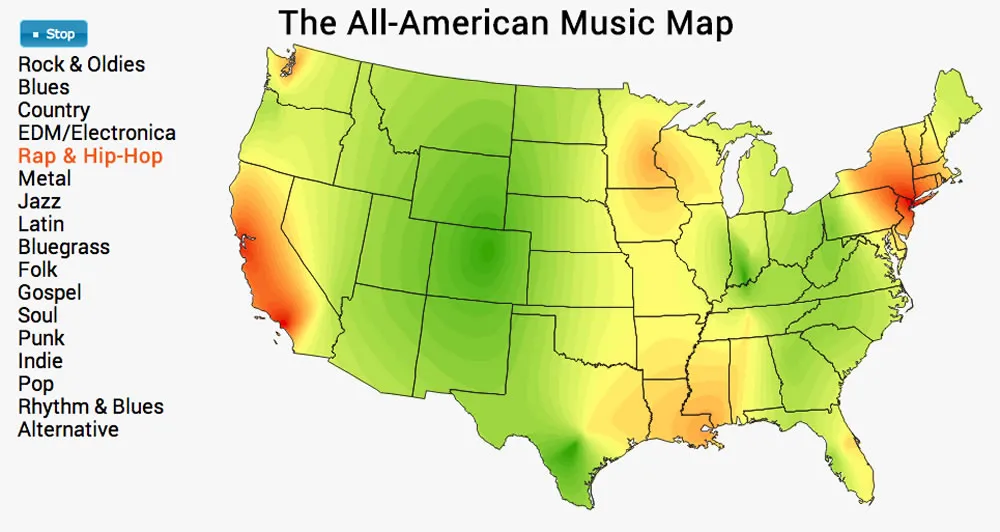
One noticeable change is how much less people care about sticking to a single genre. In the past, someone might identify strongly as a rock fan, hip-hop fan, country fan, or metal fan. Music taste was almost part of a person’s identity. Today, playlists are far more mixed.
It’s common to see someone listening to rap one minute, indie music the next, and then switching to country or electronic tracks afterward. Younger listeners especially seem less interested in labels and more interested in overall vibe or mood. A song does not necessarily need to fit perfectly into one category anymore.
Artists have adapted to this as well. Many modern musicians blend multiple genres together instead of following traditional formulas. Pop songs might include rap verses, country artists experiment with electronic production, and hip-hop producers sample sounds from older rock or jazz records. The lines between genres continue to blur.
Social Media Has Become a Huge Influence
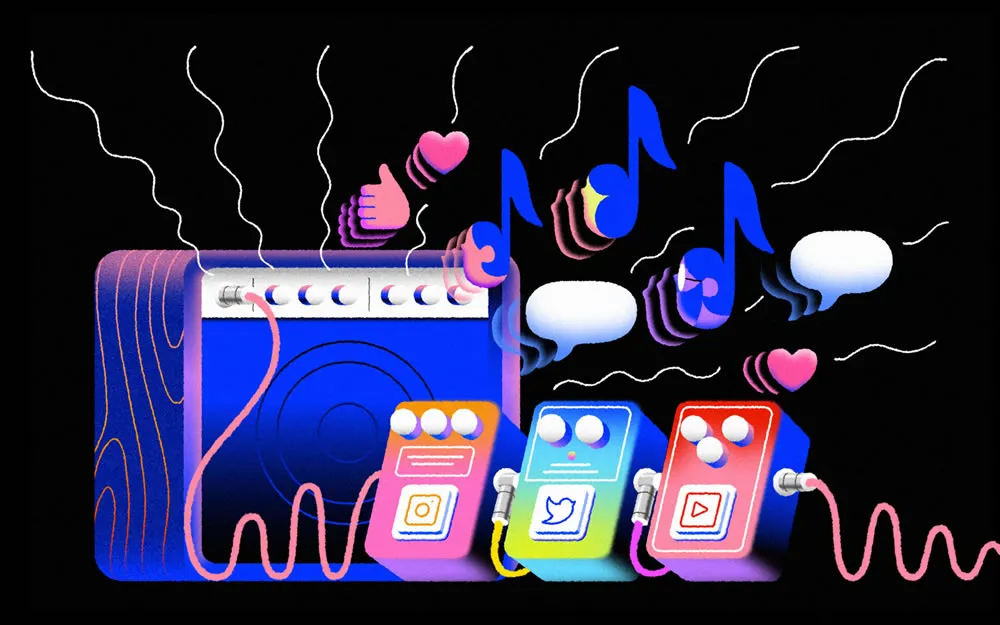
Another major factor behind changing music taste is social media. Songs now become popular in ways that would have been impossible years ago. A short video clip, dance challenge, meme, or trending sound can suddenly push an unknown song into mainstream success almost overnight.
This has created a much faster music cycle. Trends appear quickly and sometimes disappear just as fast. Artists are no longer relying only on record labels or radio promotion to build an audience. In many cases, fans themselves drive popularity through online sharing.
Social media has also changed the relationship between artists and listeners. Fans expect more direct interaction now, whether through livestreams, interviews, or personal updates online. Some music communities even encourage users to learn more about chat options and connect with other fans discussing albums, lyrics, and upcoming releases.
International Music Is More Popular Than Ever
American audiences are also listening to much more international music than before. In earlier decades, English-language songs dominated almost everything in the U.S. market. While that is still largely true, listeners today are far more open to artists from different countries and cultures.
Latin music has become a major part of mainstream American listening habits, while K-pop and Afrobeats continue gaining popularity. Streaming services made global music easier to access, and younger listeners generally seem more comfortable exploring music outside their own language or region.
This global influence has helped create a more diverse music environment overall. Collaborations between artists from different countries are increasingly common, and audiences are responding positively to those cross-cultural sounds.
The Shift From Albums to Playlists
The way people consume music has also changed dramatically. Albums once felt like complete artistic experiences that listeners would sit with for weeks or months. Many people bought physical CDs and listened from beginning to end.
Today, playlists often matter more than albums themselves. Listeners skip songs quickly if they lose interest, which has changed how artists structure music. Songs tend to get to the chorus faster, and shorter tracks have become more common because attention spans online are different.
This does not necessarily mean music quality has declined, but it does mean artists are creating music for a different environment than musicians did twenty years ago.
The Future of Music Culture in America
At its core, music in America still reflects what people are feeling, experiencing, and talking about. The cultural shift in music taste says a lot about how society itself is evolving. Technology has made music more accessible, social media has made trends move faster, and streaming has opened listeners to sounds from around the world.
Even though styles and platforms continue changing, one thing remains the same: people still use music to express identity, emotion, and connection. That part of music culture has not disappeared, even if the way people discover and consume songs looks completely different today.