
There is a particular kind of calm that comes with a good IEM setup. You put them in, the seal locks, and the outside world fades just enough that music feels closer and more intentional. You hear tiny details you usually miss. You also stop turning the volume up, because you no longer have to fight the room. And then, usually on a commute, the cable reminds you it exists.
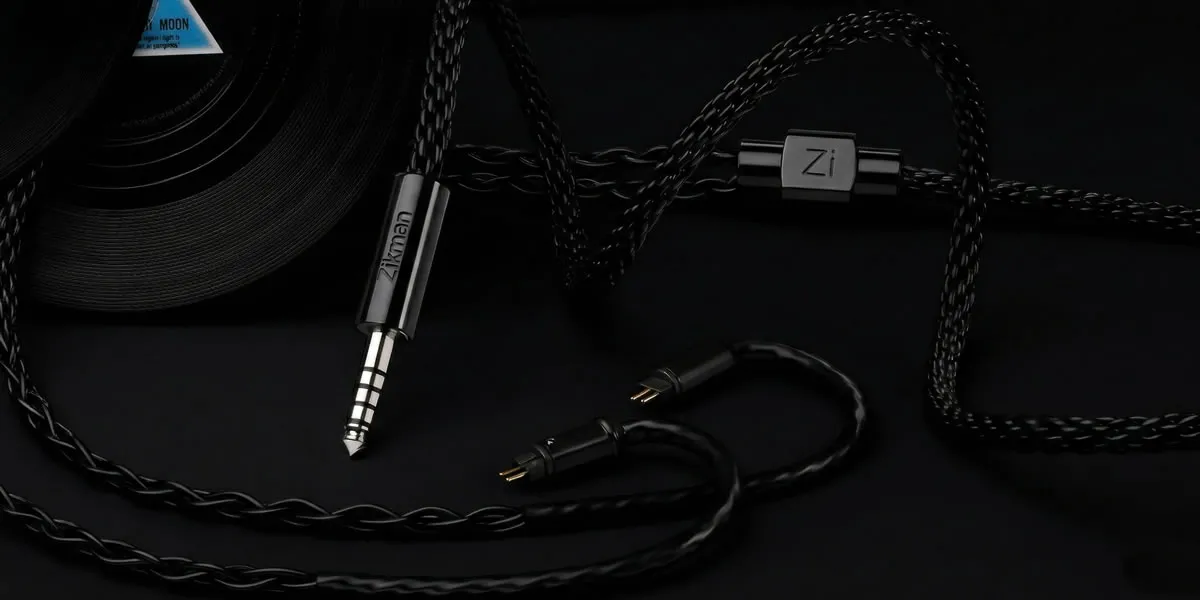
The system experiences failures that typically happen during unexpected situations. The system begins with minor disturbances, which become impossible to handle after users detect them. You walk while the cable makes contact with your jacket in a metronome-like rhythm, and when you use your laptop, the wire tugs at your ear as you move in your chair. You turn your head to answer someone, and for half a second, the left channel disappears before it returns to normal while the track continues to play, but the spell has disappeared.
When that happens, many people blame the earphones. In practice, the drivers are often fine. The problem is usually the cable and the connector, which is exactly why the connector format matters.
Why do music listeners notice cable problems faster?
A brief dropout in casual listening creates a tiny glitching effect. The audio error becomes more evident during close listening because it causes vocals to drift from their correct position, the stereo sound to lose its balance, and reverb tails to stop prematurely, while sounds that depend on delicate spatial dimensions and balanced sound distribution become distinctly audible as incorrect. The increased annoyance from cable problems during focused listening occurs because listeners can detect issues that remain invisible during normal listening activities.
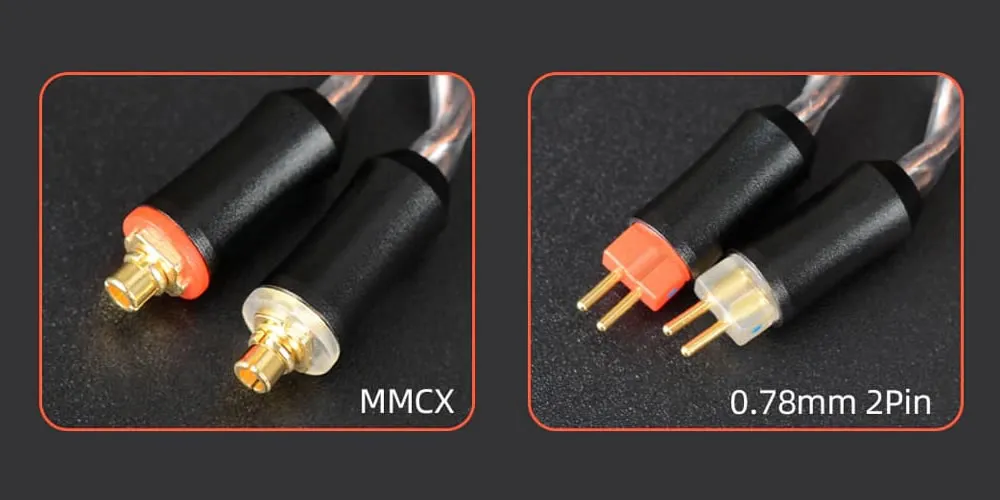
2-pin vs MMCX, in plain terms
Both connector types are common, and neither is “better” in general. The correct choice is simply what your IEM model uses. The practical difference is how the connection behaves over time.
2-pin (often 0.78mm)
A 2-pin connector uses two small pins to create a fixed contact. When it is seated properly, it tends to feel stable and predictable. The trade-off is that it rewards careful attachment. You want to align it and insert it straight, because forcing it at an angle is how pins get bent.
MMCX
MMCX is a rotating connector design. Many people like it because it feels easy to detach and reattach, and you do not have to line up pins. The trade-off is that MMCX can loosen with heavy use. Once it loosens, you can get intermittent contact that appears “random,” because it depends on tiny movements.
Microphonics lifehack, or why walking turns your cable into an instrument
Microphonics is the noise you hear when a cable rubs or taps against clothing, and the vibration travels into your ears. It is the reason a perfectly fine setup can feel annoying on a walk. A stiffer jacket, a zipper, or a backpack strap can turn into constant little thumps.
If you listen while walking, you know the scenes:
- You are outside, and the cable taps your jacket with every step.
- You are at a laptop, and the wire keeps tugging when you shift.
- You turn your head, and a channel dips for a moment.
There are some easy lifehacks to reduce microphonics. Firstly, a softer, more flexible cable helps. Routing the cable under clothing helps even more. And a small clip can make a surprising difference, simply because it stops the wire from bouncing freely.
Quick checks before you blame the earphones
If dropouts happen when you move your head, start with contact. With a 2-pin, check that both sides are seated evenly. A partially seated 2-pin can behave “fine” until you move, then dip a channel. With MMCX, looseness is the giveaway. If it rotates too freely and dropouts happen when you shift the cable, the fit may be wearing.
Then check the plug end. If you can reproduce crackling by gently flexing the cable near the plug, that is often cable fatigue at a stress point.

Signs it’s time to replace the cable
Instead of counting months, watch for signs to replace the cable that show up in real use:
- brief channel dropouts when you move
- crackling when the cable flexes near the plug
- a connector that feels loose or inconsistent
- stiffness that makes the cable uncomfortable
- increased microphonics when walking
If the IEM still sounds the way you like, but the setup feels unreliable, replacing the cable is often the cleanest maintenance move.
Choosing a cable for your routine
A good daily-use cable is not about slogans. It is about the parts you feel:
- the correct connector type
- stable contact and a clean fit
- strain relief near the plug
- a flexible jacket that stays comfortable and reduces microphonics
- a length that fits your routine
If you want a practical reference while comparing connector formats for focused listening and monitoring - especially if microphonics show up when walking - start here: 2-pin vs MMCX cables.
Small habits that add months
Cable life is mostly mechanical. Disconnect by holding the plug, not the wire. Avoid tight bends in storage. Do not wrap the cable tightly around your phone. Use a case in a bag. Attach connectors carefully. None of this is complicated, but it prevents the exact stress that causes most failures.
Final thoughts
Connector type sounds like a small technical detail until you live with the setup every day. Once you know whether your IEM is 2-pin or MMCX, you can choose a cable that fits properly, stays stable, and keeps the listening routine calm again. The goal is not hype. The goal is for music to stay the main thing you notice.